Vietnam stretches more than 1,600 kilometres from the Chinese border to the Gulf of Thailand, and the weather changes a great deal along the way. When Hanoi is cool and grey, Saigon can be hot and dry. When the south is getting its afternoon downpours, the central coast is often at its sunniest.
So there isn't one best time to visit. There is a best time for the route you have in mind, and a few windows that suit a full north-to-south journey better than others.
Northern Vietnam: Hanoi, Ha Long Bay, Ninh Binh
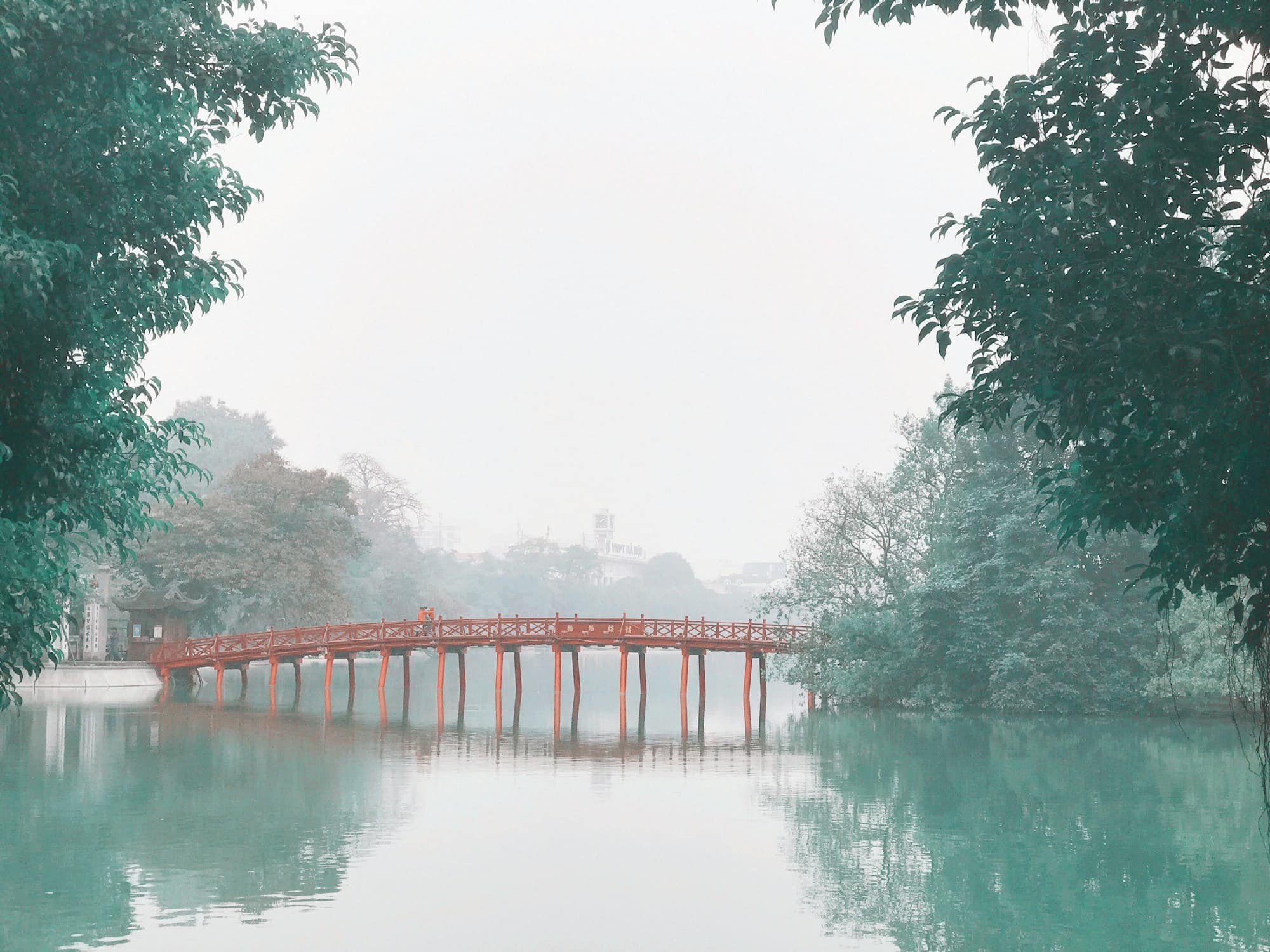
The north has four loose seasons. Autumn and spring are the easy ones: warm days, lower humidity and clear light over the karsts. Winter is dry but can be surprisingly cold, and Hanoi often sits under a flat grey sky from December to February. Pack a proper layer. Summer is hot, humid and wet, with heavy rain and the occasional storm that can suspend Ha Long Bay cruises for a day or two.
The mountains around Sapa and Ha Giang follow the same pattern, only cooler. Winter nights there can drop close to freezing, while September and early October bring golden rice terraces and some of the clearest walking weather of the year.
- Mar–Apr: warming up, flowers out, good for walking and cruising
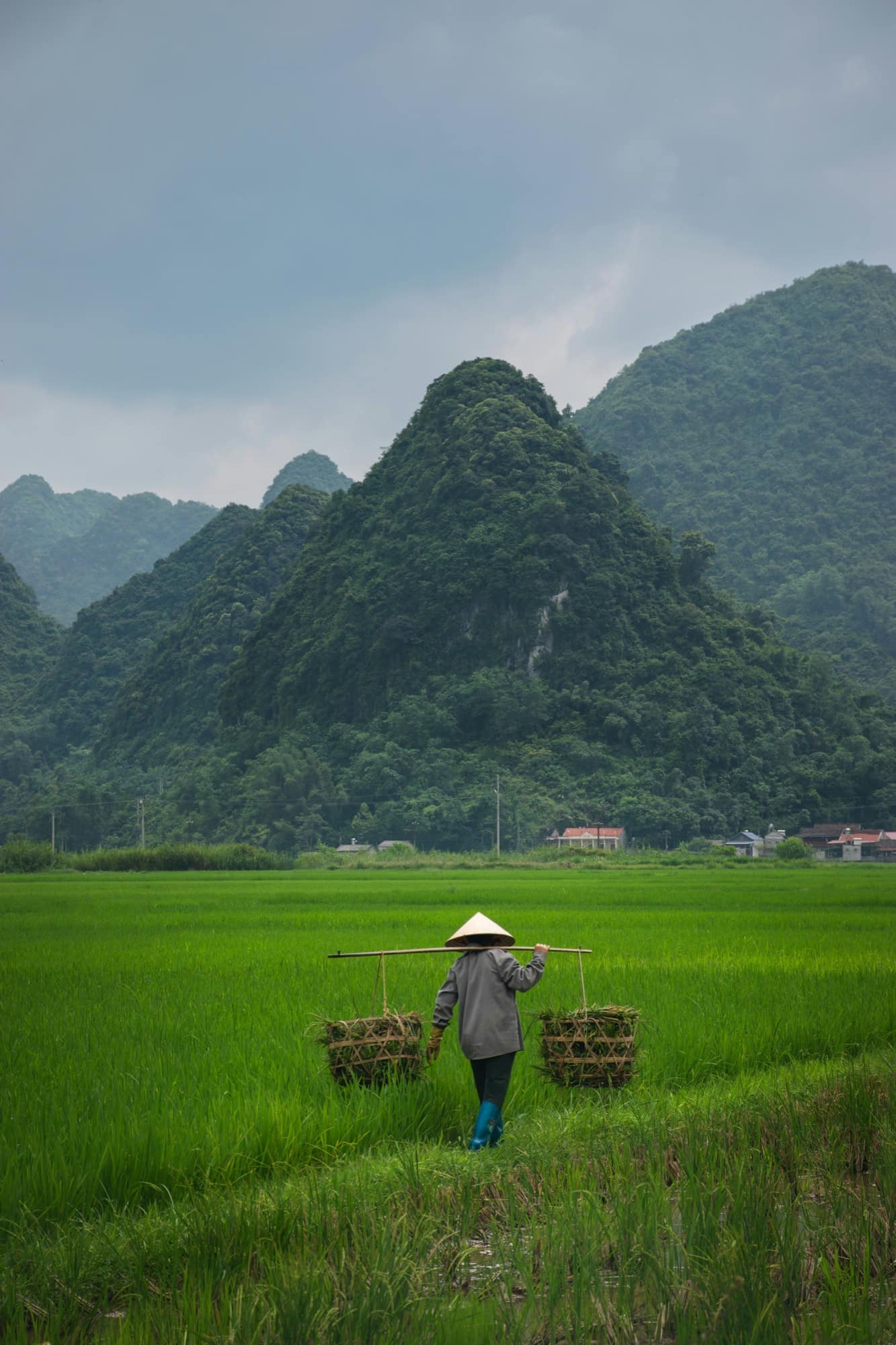
- May–Sep: hot and humid, heavy showers; Ninh Binh's rice turns gold around late May and early June
- Oct–Nov: arguably the best of the year, dry and mild
- Dec–Feb: cool to chilly, often misty on Ha Long Bay, cold in the mountains
Central Vietnam: Hue, Hoi An, Da Nang
The central coast runs on a different calendar. Its dry, warm stretch lasts roughly from February to August, when the beaches at Da Nang and An Bang are at their best and Hoi An's river is calm. June to August gets properly hot, especially in Hue, so plan sightseeing for early morning and late afternoon.
From around September to December the region takes the brunt of the rainy season. October and November carry the highest risk of heavy rain, flooding in Hoi An's old town and typhoons. Travel is still possible, but build in flexibility, keep a spare day in the plan and choose hotels that don't depend on the beach.
Southern Vietnam: Ho Chi Minh City, the Mekong, Phu Quoc
The south stays warm all year. The dry season runs from about December to April, with March and April the hottest months. From May to November it rains most days, but usually in short, heavy afternoon bursts that clear quickly, so mornings are often good for sightseeing.
The Mekong Delta is lush and green in the wet months, and the upper Delta floods from around August, which changes the landscape completely. Phu Quoc is at its calmest and clearest in the dry season. In the wet months its west coast can get rough seas, and some boat trips may not run.
The best windows for a full journey
If you want to travel the length of the country in one trip, these are the months where the trade-offs are smallest.
- February to April: mild in the north, dry on the central coast, dry and hot in the south. The strongest all-round window.
- Late July to August: good for the central coast and islands, hot in Hanoi, wet but workable in the south.
- Late October to November: lovely in the north and drying out in the south, but risky on the central coast.
- December to January: dry in the south, cool in the north, with the central rains usually easing by January.
Plan around Tet
Tet, the Lunar New Year, falls in late January or February and is the biggest holiday of the year. Families travel home, many shops and restaurants close for several days, trains and flights book out well ahead and prices rise. It is a fascinating time to be in Vietnam if you plan for it, and a frustrating one if you don't. The public holidays around 30 April and 2 September also bring busy roads and full hotels.
If you'd like the season and holidays built into your route, we can plan it around your dates.
Want this built into a trip?
Tell us your dates and interests and we'll plan a journey around them.
定制您的行程Destinations mentioned: Hanoi, Hoi An, Ho Chi Minh City